
Welcome to the Science of the Surf
Dr Rip’s Science of the Surf (SOS) is an award winning community beach safety education program for all ages. Please explore this site to learn more about rip currents – the biggest hazard on our beaches - and lots more! You can also find out more details about how you can arrange and attend an SOS presentation.
Latest Rips of the Month
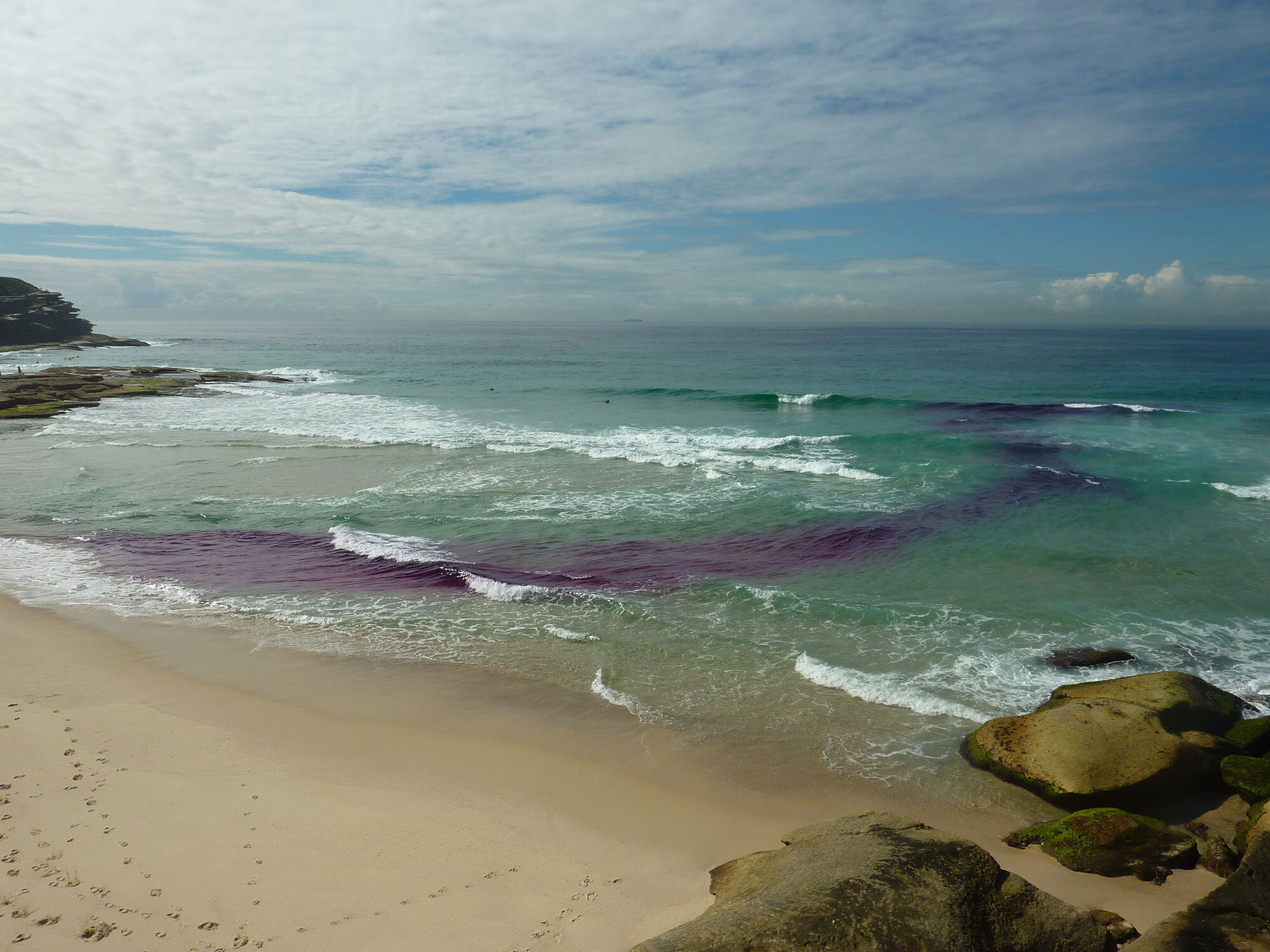
Professor Rob Brander (aka ‘Dr Rip’) is on a quest to educate people about rip currents and how to spot them. In 2009 he started a ‘Rip of the Month’ feature where he posts pictures, or videos, of rip currents and talks about them. With over 180 pictures and counting, it’s the largest collection of rip current images in the world! Most are his, but there’s plenty of others from around the world. Feel free to share and use these images, but please credit the photographer and source.
If you would like to submit a picture or video for the Rip of the Month, please contact Rob.
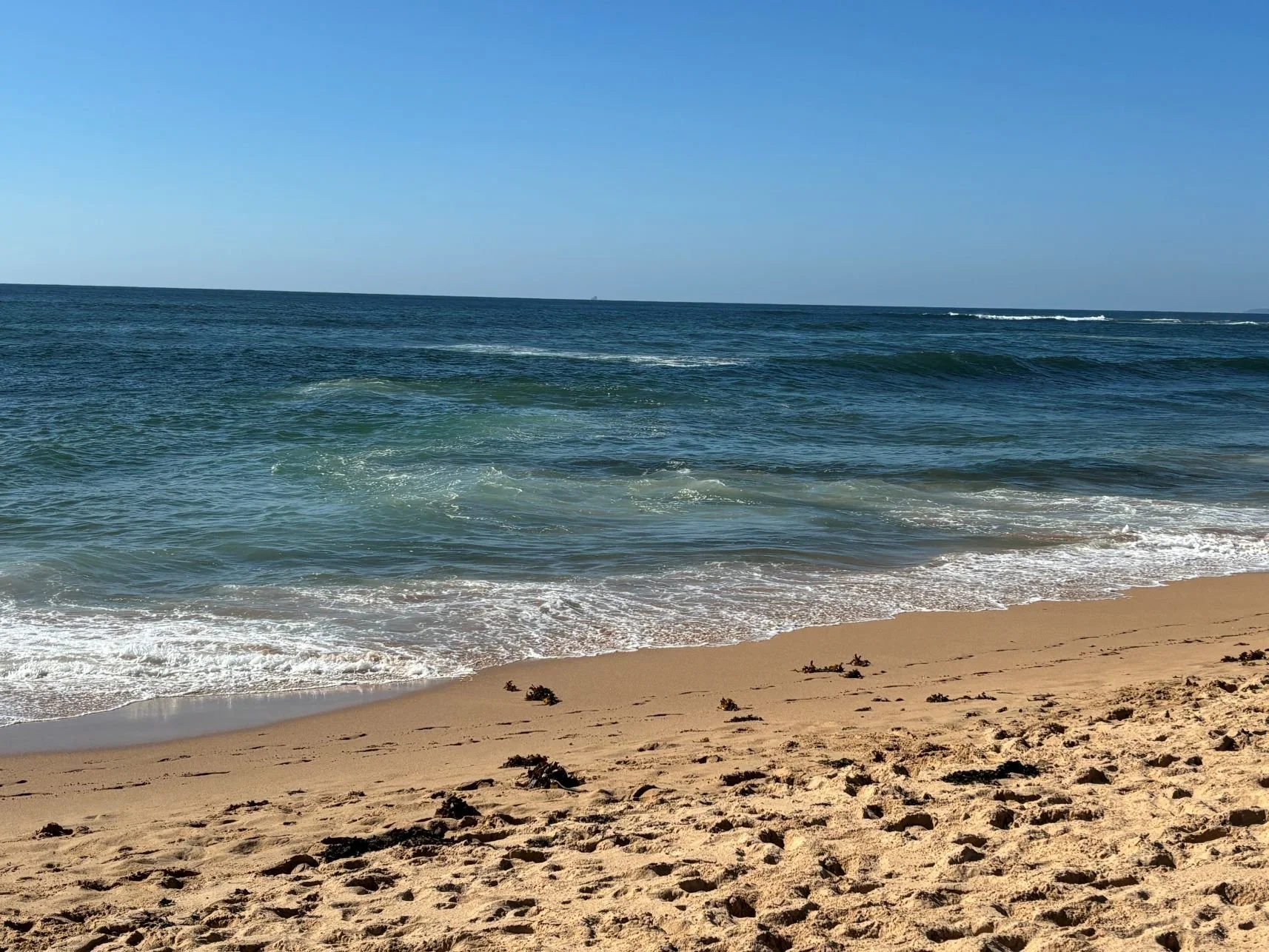
I am pleased that I managed to get another flash rip – this time while walking my dog on a local dog beach with the friendly name ‘Sharky Beach’
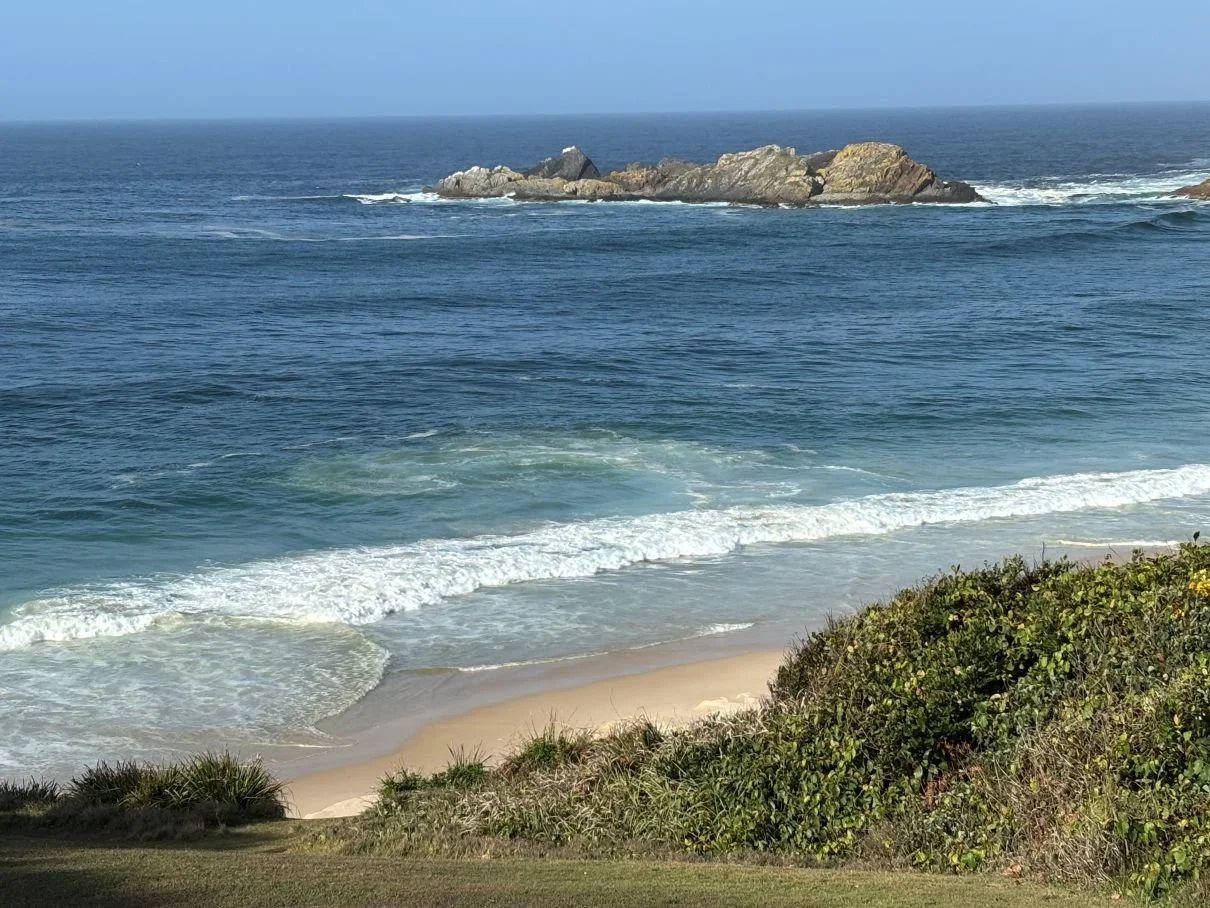
Flash rips are the hardest rips to spot and also capture on camera. That’s because they form both randomly and quickly and don’t last for very long.
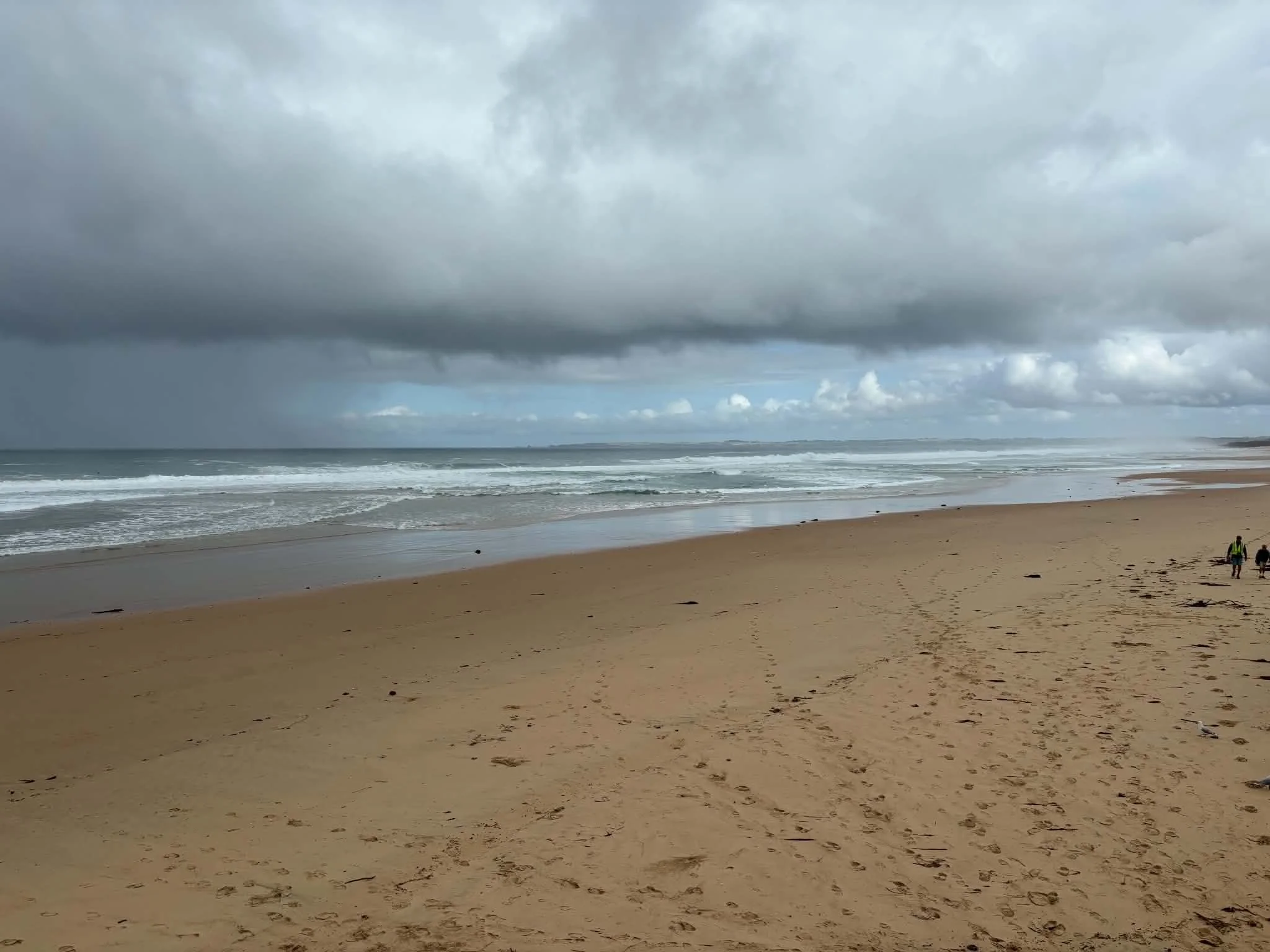
It’s always easier to spot rips from elevation. Something worth thinking about next time you go to the beach.
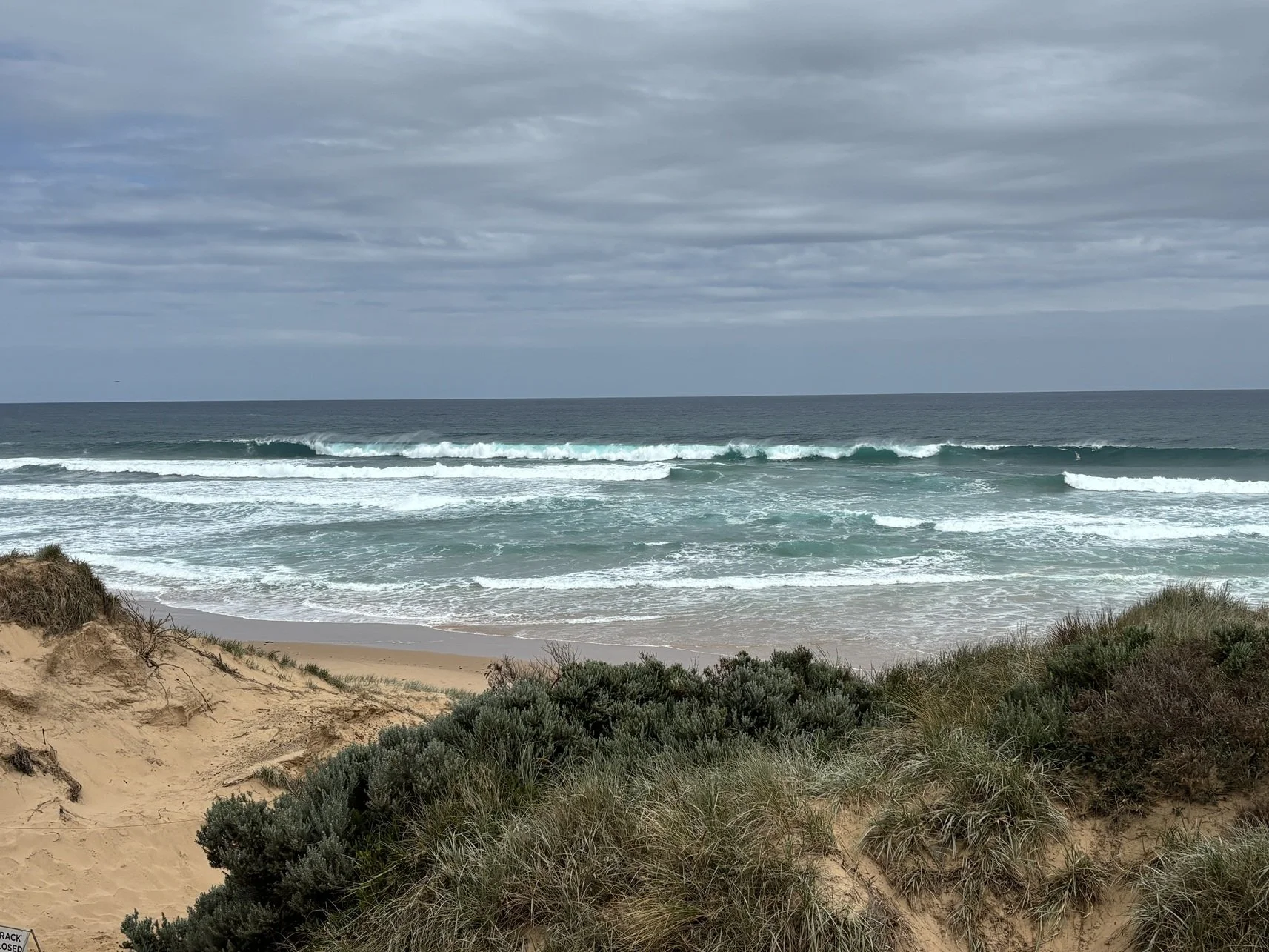
I tried to put in some dye and I put about 3 x as much dye in my bucket as I normally do, but couldn’t wade too far out as I was barely able to stand up against the current when I was at waste depth
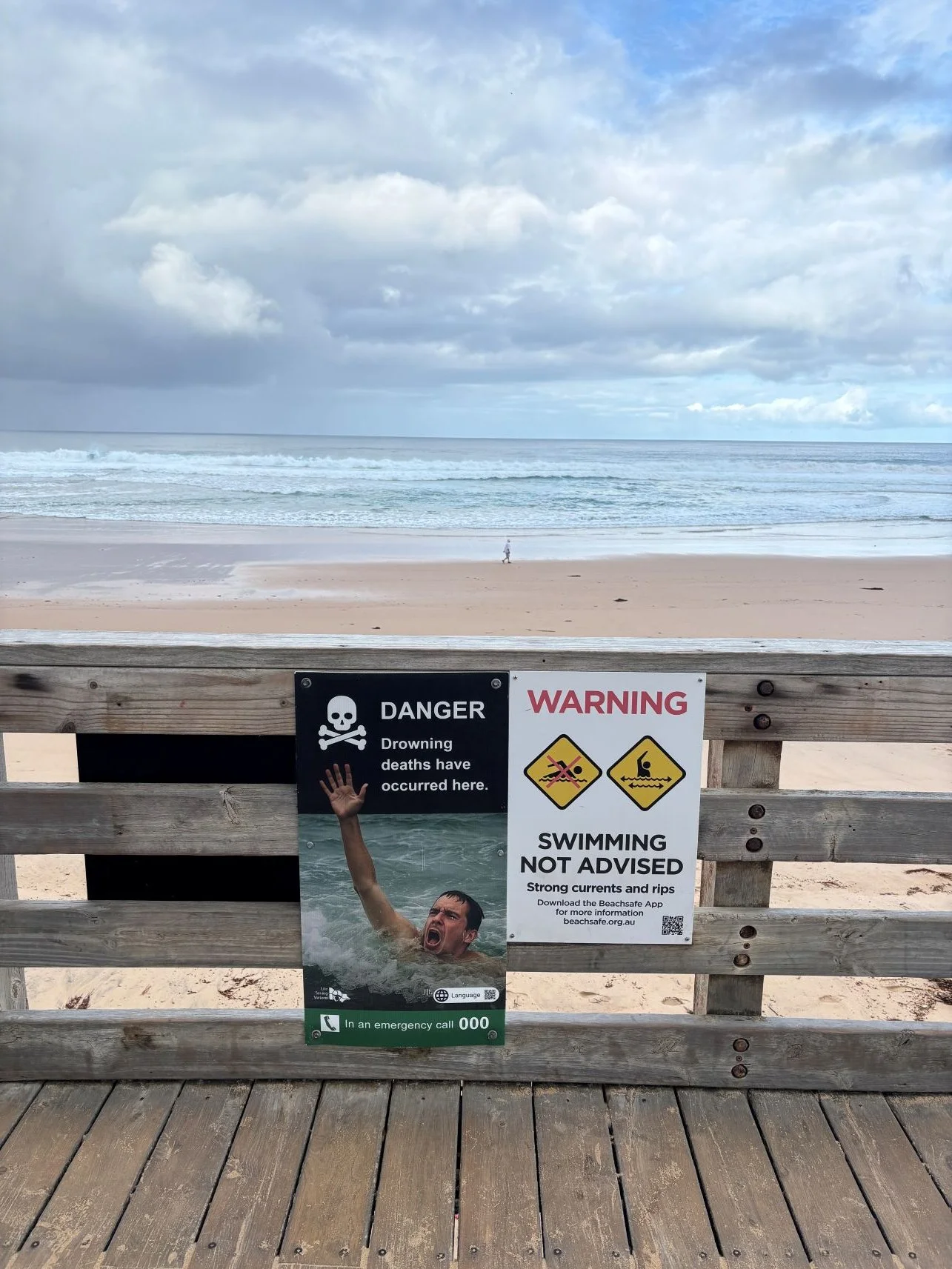
Woolamai Beach has big waves and big rips…and lots of them. It is right up there with Muriwai Beach in New Zealand as one of the most dangerous beaches I’ve ever seen.
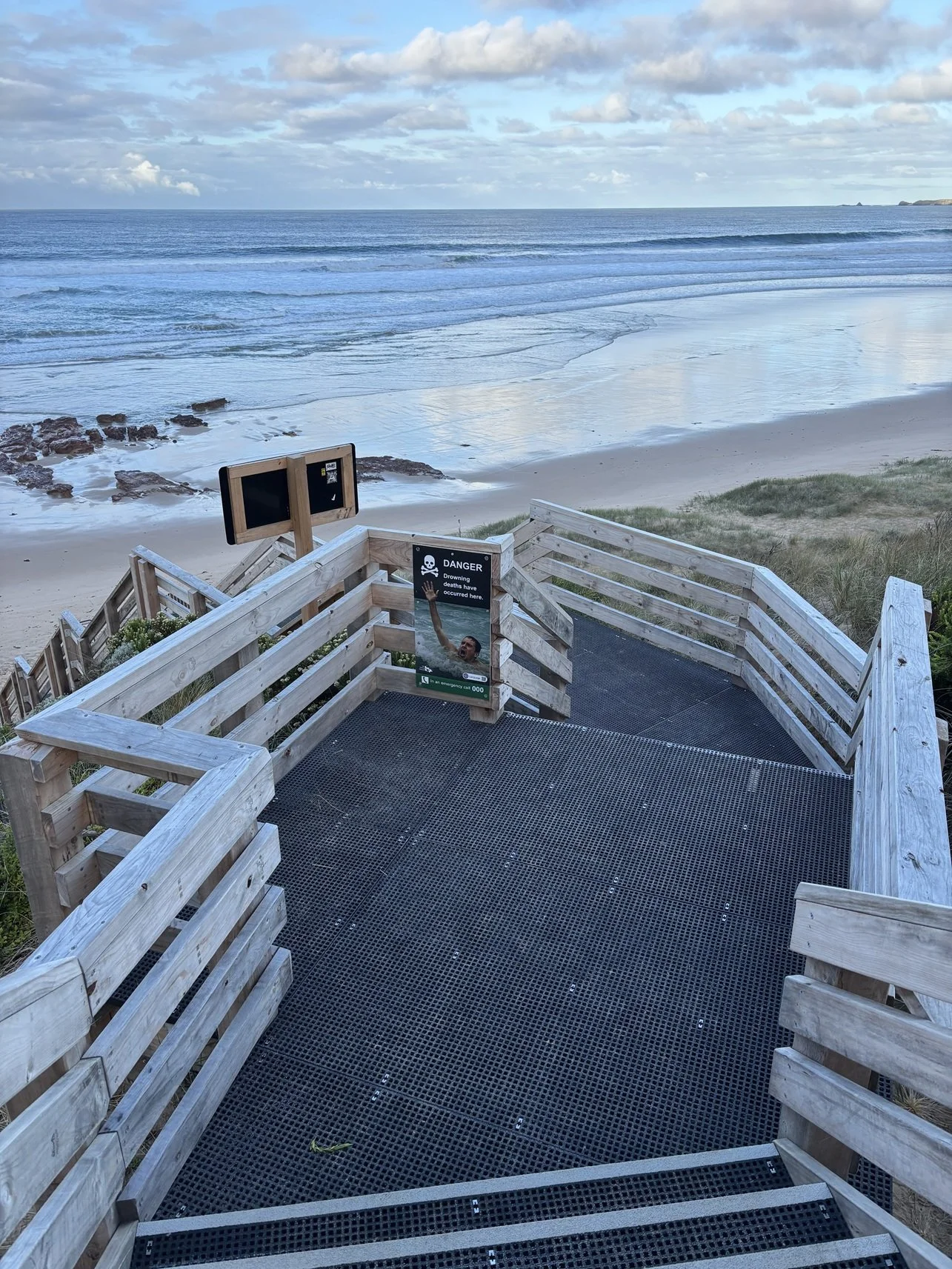
Just to the right of the rocks on the beach was a rip current that is likely persistent in location due to the presence of the rocks. It may have been the same rip current the poor family drowned in.
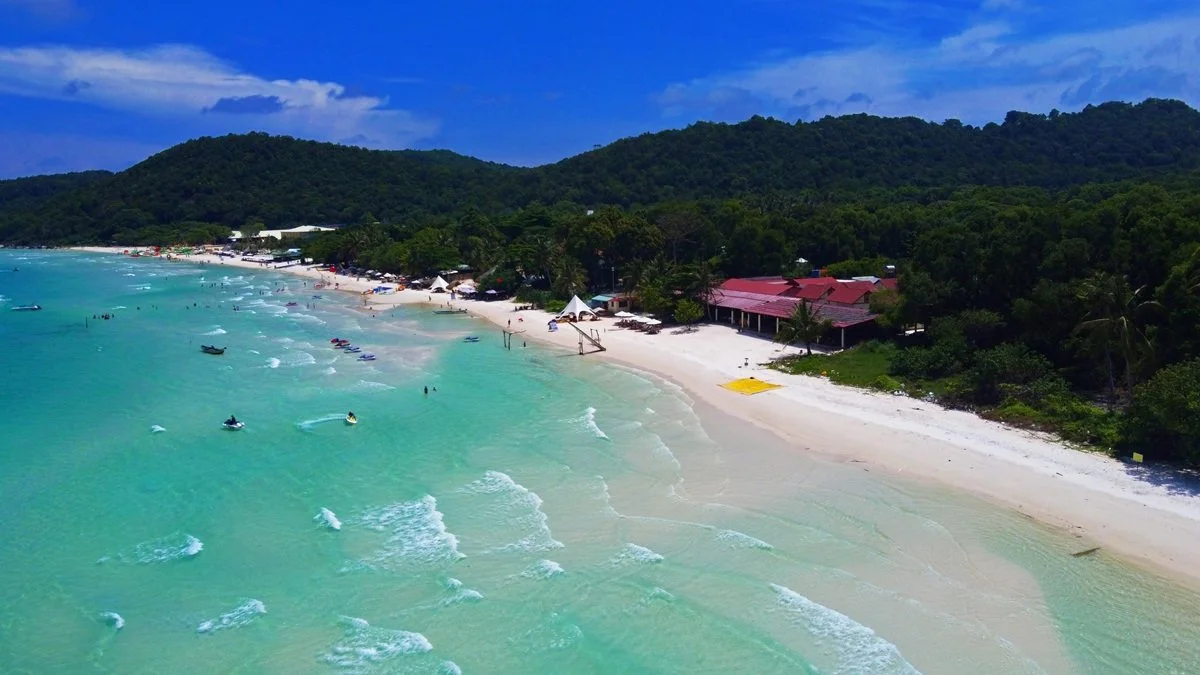
Now I’m not exactly sure where this beach is on Phu Quoc because it’s a big island, but the rip currents are the large channels of darker water where the waves aren’t breaking.

I was shocked to learn that the beaches can be quite dangerous a lot of the time with large waves and strong rip currents.
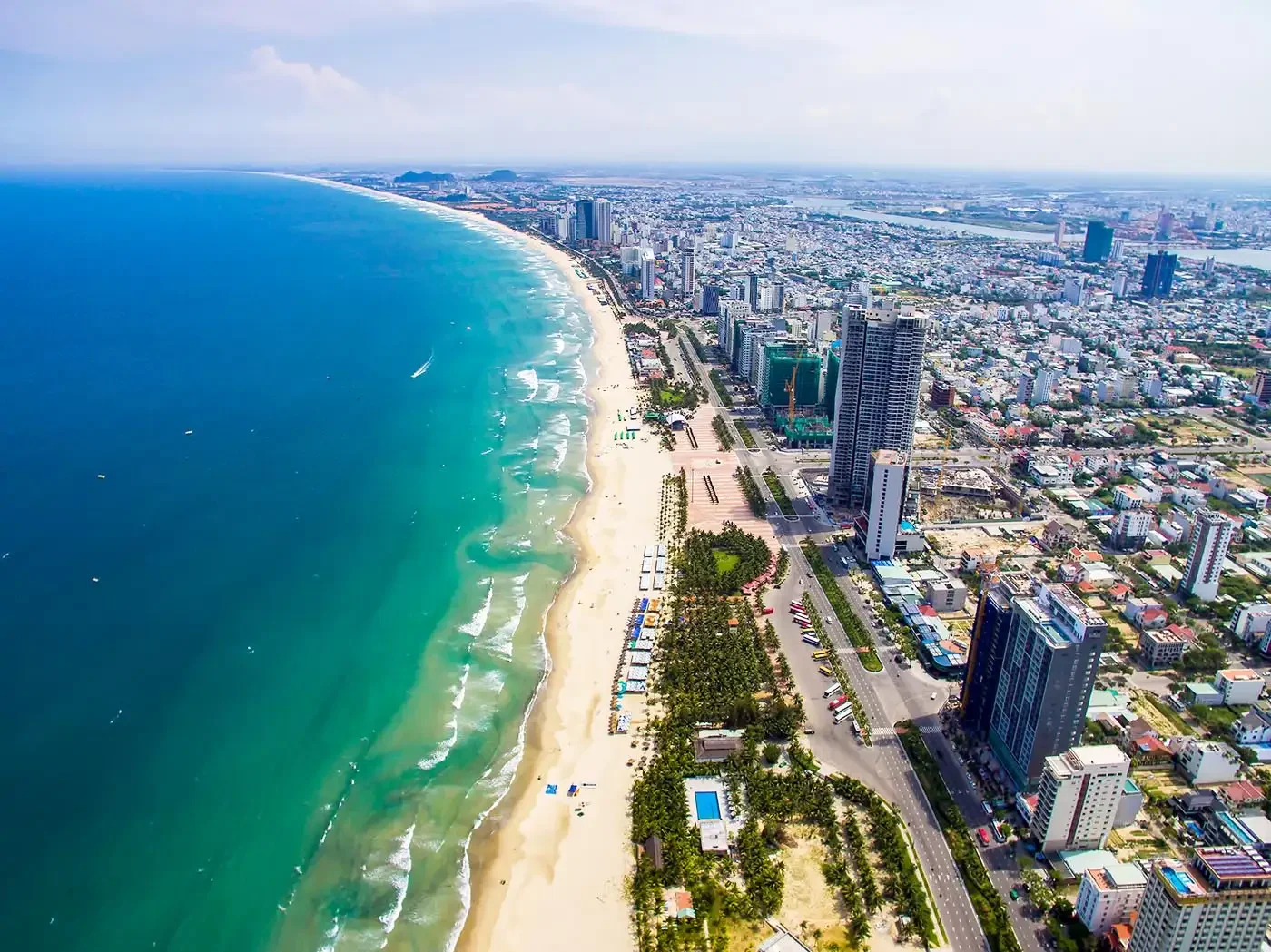
Here is the second instalment of my ‘Images Taken off the Web of Famous Tourist Beaches that have Rip Currents that Never Get Mentioned in the Tourist Promos’ series
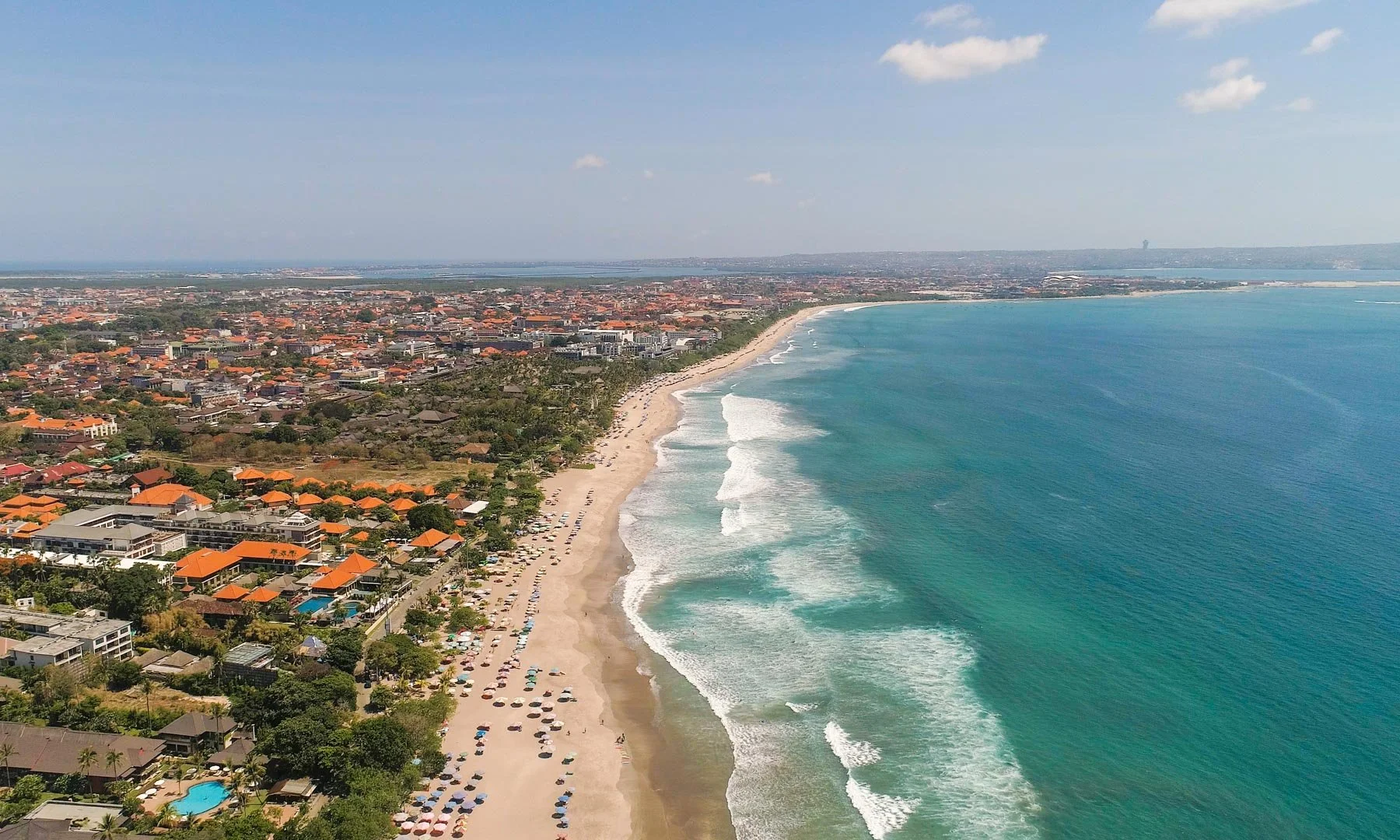
So here is Kuta Beach in Bali, the first beach I ever visited in South-East Asia, way back in 1992.

Latest News

I’ve been getting a lot of questions lately about the impacts that the proposed offshore wind farm will have on our surf and beaches. There’s a lot of information about the issue floating around out there (pun intended) and while it’s good to ask these questions, the good news it that the windfarms will have absolutely no impact on our surf, or on our beaches.

Beaches are wider than we’ve seen for years and judging from the massive sand banks, there’s more coming – it’s going to be the ‘Summer of Sand’.
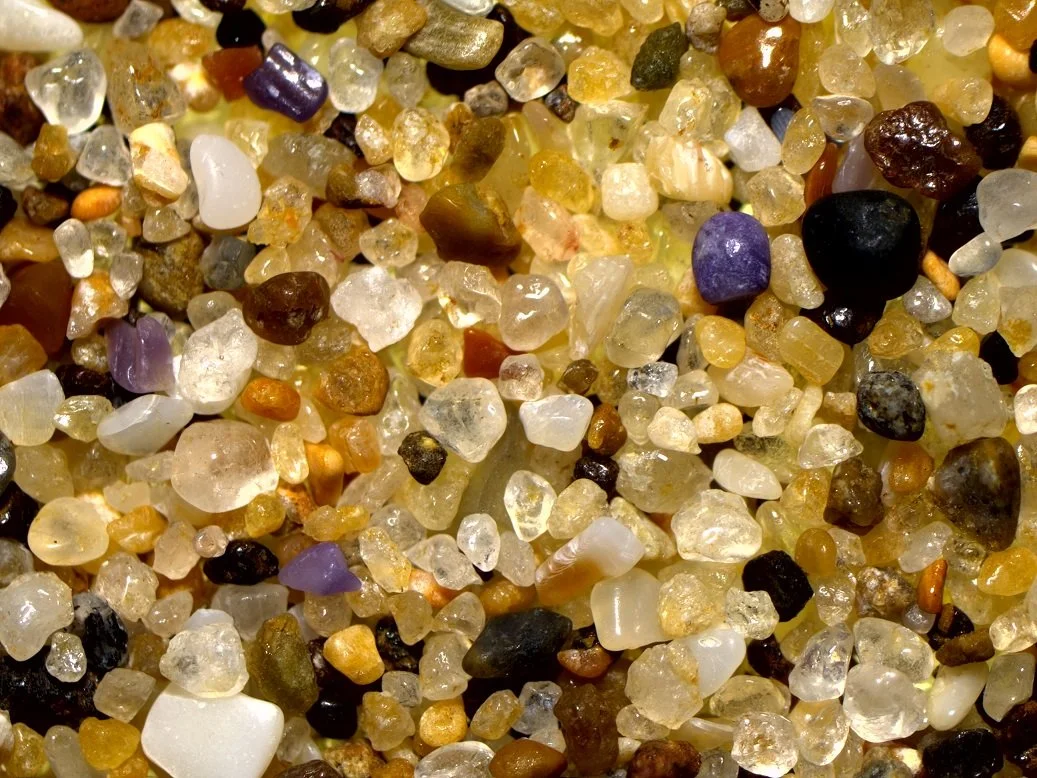
If you pick up a handful of sand, it’s full of thousands of sand grains of different sizes, colours and origins that all have a story to tell because beaches are essentially dumping grounds for the end products of millions of years of erosion of the earth’s surface.

A waverider buoy is like a big soccer ball tethered to the ocean floor that bobs, pitches and rolls at the surface with the passage of waves.

You often hear surfers talking about waves sometimes feeling more ‘powerful’. Is this really true? Absolutely. It all has to do with basic wave physics.It all begins with an idea.

If you see someone in trouble, even if it’s your child, don’t rush in. Fight the urge to run to the water and swim as fast as you can.